



Description
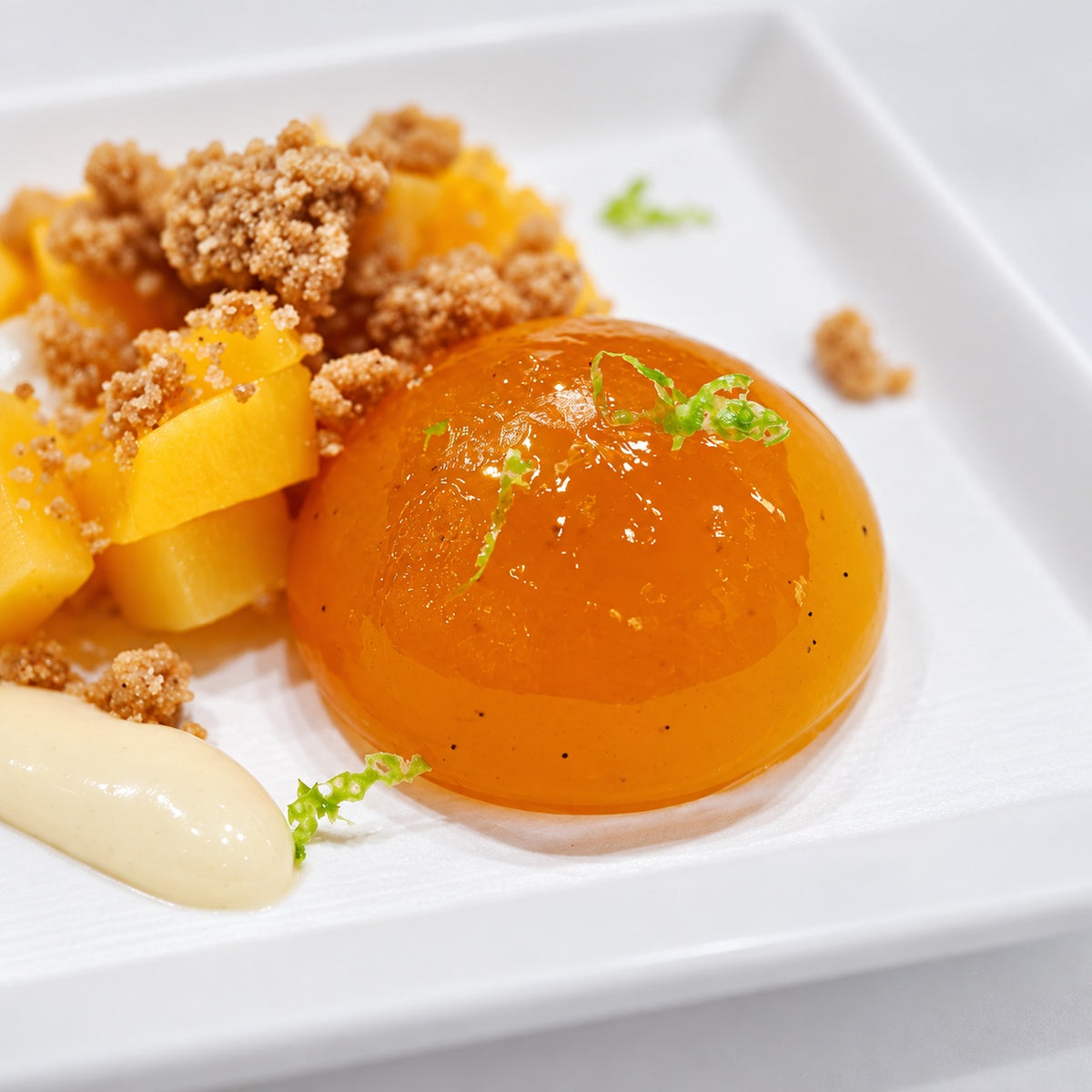
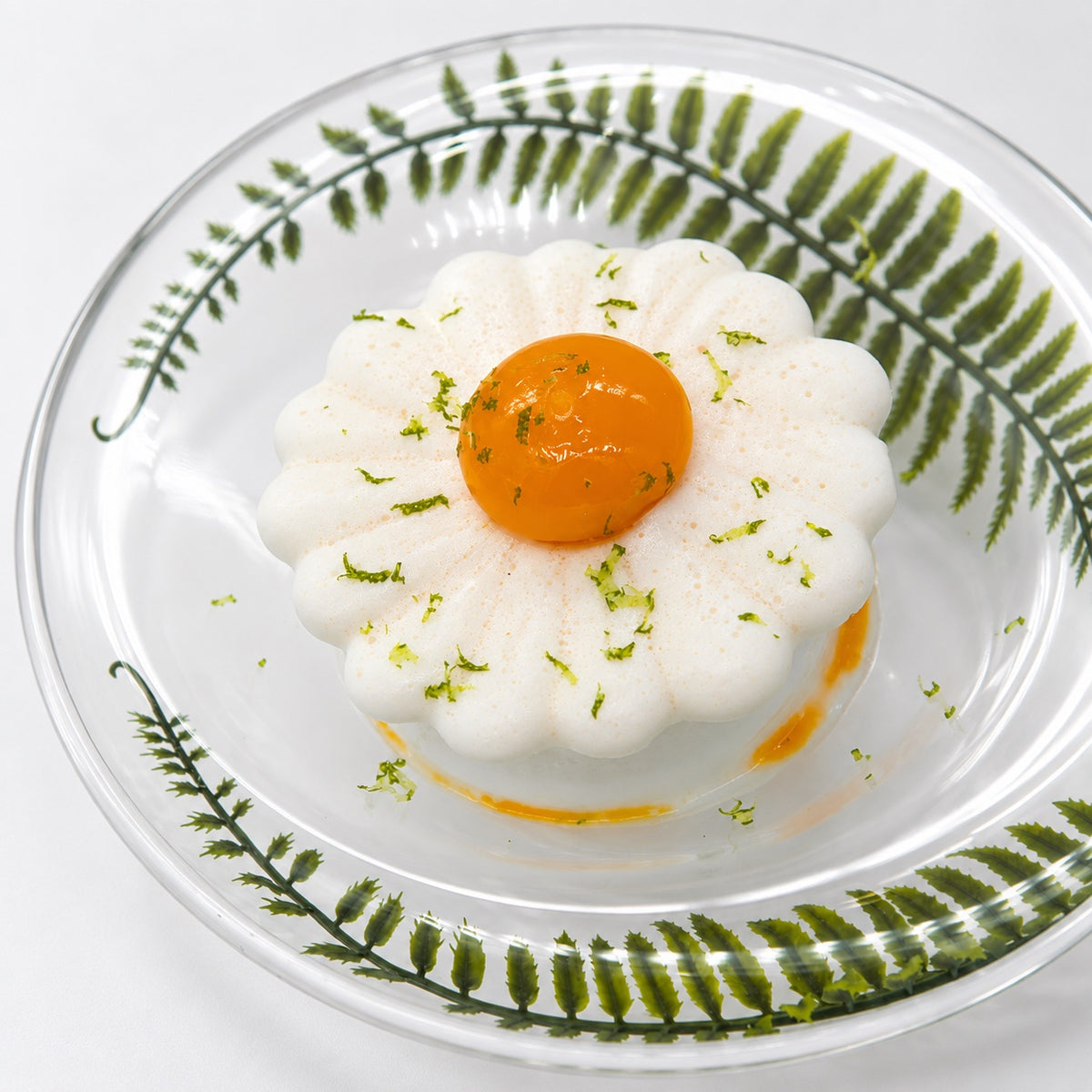
Louis Francois Calcium Chloride is a highly soluble calcium salt used to provide rapidly available calcium for hydrocolloids such as sodium alginate, carrageenan and certain pectins. In modern pastry and gastronomy, it is particularly useful for preparing calcium baths for spherification, where it reacts quickly with alginate to form a gelled membrane around liquid or semi-liquid preparations.
Applications
- Spherification
- Alginate-based pearls and spheres
- Calcium-reactive hydrocolloid systems
- Other formulations requiring rapidly available calcium
Use
Dissolve Calcium Chloride in water to prepare the calcium bath. Once the alginate-containing preparation has formed the desired membrane, remove the spheres and rinse thoroughly in clean water before serving or further processing. This is especially important because residual Calcium Chloride can leave a noticeable salty taste.
Recommended Dosage
For spherification, use approximately 3g per litre of water as a starting point for the calcium bath. Adjust according to the hydrocolloid system, setting time and desired membrane thickness.
Observations
- Rapid source of calcium ions
- Highly soluble
- Cold-process compatible
- Reacts efficiently with sodium alginate
- Can impart a salty taste if not rinsed thoroughly
Calcium Chloride vs Calcium Lactate
Calcium Chloride is particularly effective for an external calcium bath, where its rapid calcium release promotes efficient gel formation and the finished spheres can be rinsed after setting. When calcium needs to remain within the finished preparation, Calcium Lactate is generally preferable because of its more neutral taste.
Technical Details
About the Brand